Selling a home in Congress Park or the 7th Ave Historic District is not the same as selling a newer house in a standard subdivision. Buyers are often drawn to the details that make these homes feel rooted in Denver’s history, but those same details can affect what you should repair, stage, and photograph before listing. If you want to make a strong first impression without creating costly missteps, a smart plan matters. Let’s dive in.
Start With Historic Status
Before you schedule exterior work, confirm whether your home is individually landmarked or located within a local historic district. In Denver, exterior work, additions, and demolition on local landmarks and historic districts are reviewed through Landmark Preservation, and approved projects receive a Certificate of Appropriateness before later permit applications.
That step matters more than many sellers realize. Even roof permits and other quick permits involving exterior work in a historic district require Landmark Preservation review, and the city’s quick-permit process asks for street and work-area photos. If you skip this early check, you risk delays right when you should be preparing to list.
Know What Buyers Notice Here
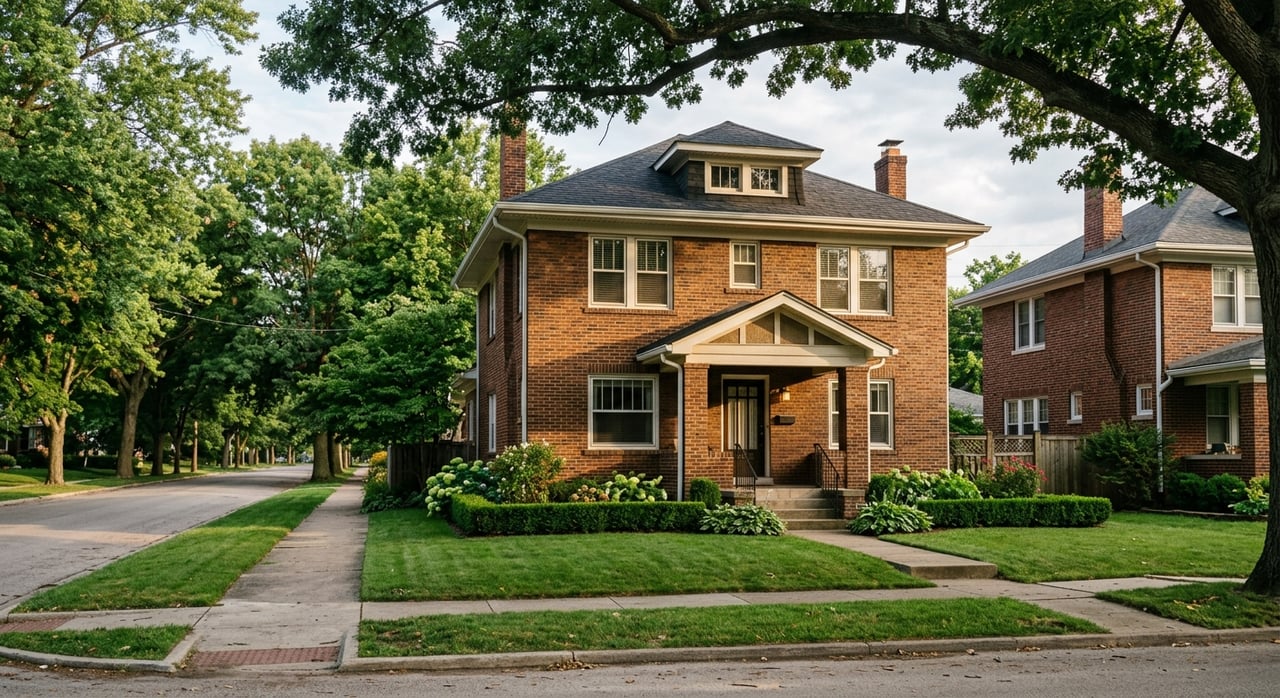
Congress Park and the East 7th Avenue area are known for older homes and historic character. Denver’s historic district information and local planning materials describe housing in this area as dating largely from the 1890s through the 1930s, with the Congress Park extension tied to the City Beautiful movement and East Seventh Avenue Parkway.
That means your home’s original character is often part of its market appeal. Features like porches, woodwork, rooflines, windows, front doors, and site details are not just background features. They help buyers understand what makes the property feel authentic to the neighborhood.
Prioritize Repair Over Replacement
When sellers prep an older home, it is tempting to replace visible items for a faster cosmetic update. In historic areas, Denver’s preservation guidelines take a different approach. The city says original materials should be preserved when possible, deteriorated pieces should be repaired in place when feasible, and replacement should happen only when repair is not practical.
That approach can help you preserve the home’s identity while avoiding changes that may conflict with review standards. It also supports a more thoughtful listing presentation, especially in neighborhoods where buyers expect period character rather than stripped-down uniform finishes.
Focus on These Exterior Items First
If you are deciding where to spend time and money before going live, start with the most visible exterior elements:
- Roof condition and visible roof details
- Trim and exterior wood elements
- Windows and window condition
- Front door appearance and function
- Porch floors, railings, and steps
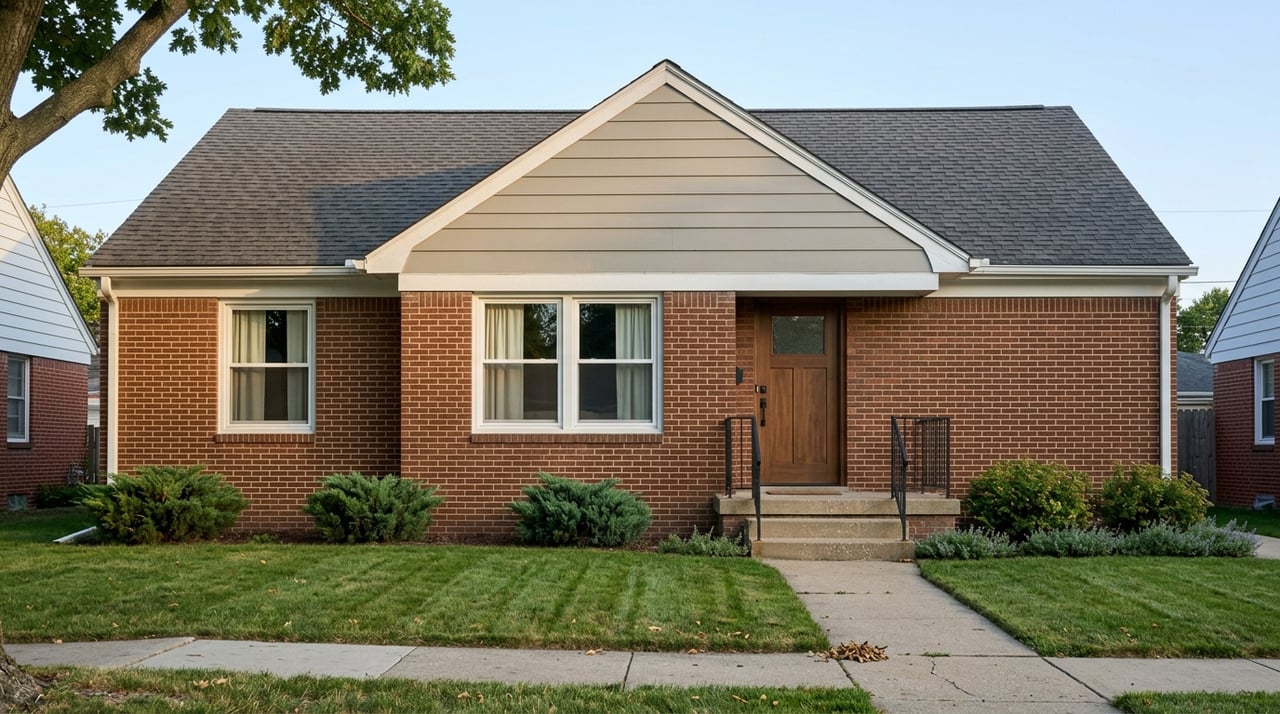
- Front walkways, fences, and landscaping
These are the details buyers notice from the curb and in online photos. In Congress Park and along East 7th Avenue, they also shape how well the home fits the surrounding streetscape.
Protect the Roofline, Windows, and Porch
Historic homes often win buyers over before they ever step inside. A low-pitched roof, a welcoming porch, or original windows can do a lot of that work. Denver’s guidelines say historic roofs should keep their form, pitch, materials, size, and street-visible orientation whenever possible.
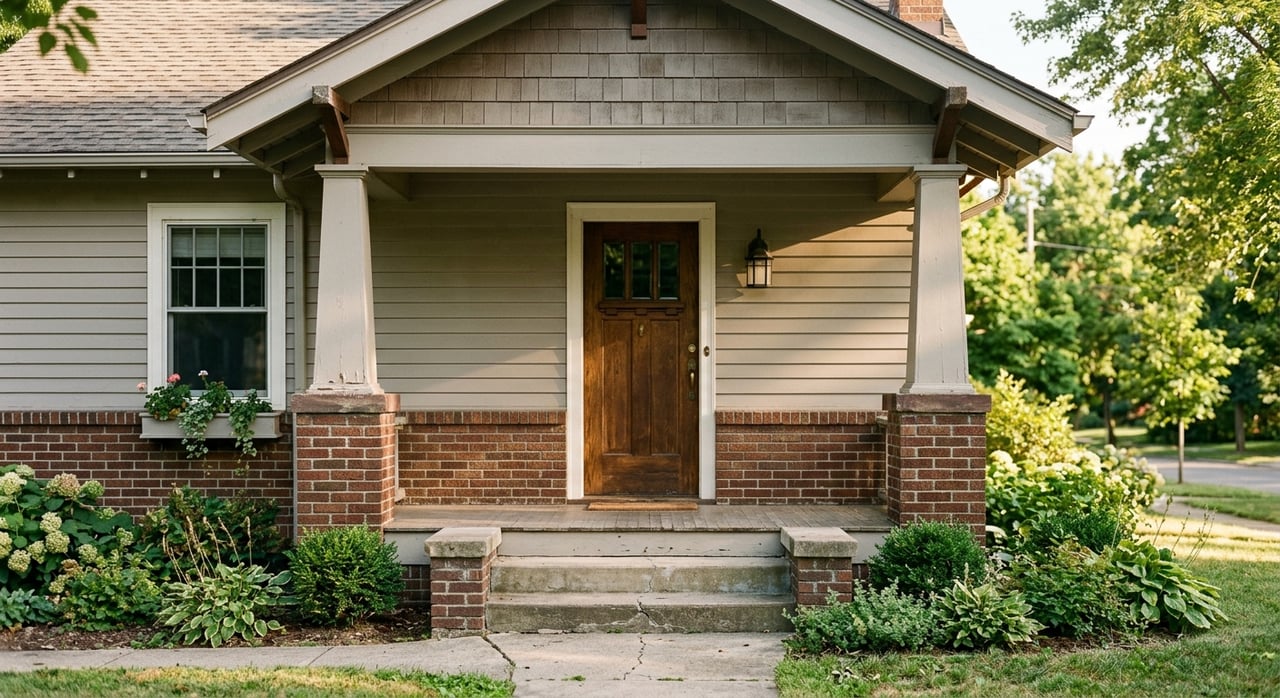
The city also says historic windows and front doors should be repaired first, with replacement considered only when repair is not feasible. Existing porches should be preserved rather than removed or enclosed. If you are thinking about adding or enlarging a front porch, that is generally appropriate only when there is evidence one historically existed.
Window Replacement Needs Extra Care
Many sellers ask whether replacing windows is the easiest way to improve appearance before listing. In a historic setting, the answer is not always yes. Denver discourages replacements that do not match the historic size, material, and appearance, and vinyl replacement is discouraged.
If your windows function poorly, repairing them may be the smarter move for both compliance and presentation. Well-maintained original windows can support the story buyers already want to believe about a home of this era.
Treat the Front Yard as Part of the Sale
In these neighborhoods, the lot presentation matters almost as much as the facade. Denver’s landscape guidance says to retain walkways, site walls, and other historic landscape features, preserve open-space patterns, and keep new front-yard fences simple, open, and low. The maximum front-yard fence height is 48 inches, and vinyl, opaque fencing, and new front-yard chain-link fences are discouraged or not allowed.
If your property fronts a historic parkway, the city also seeks to preserve tree lawns, setbacks, and the open park-like edge. That means overbuilding the front yard or installing heavy visual barriers can work against the character buyers expect to see.
Easy Curb Appeal Wins
Before photos and showings, focus on simple improvements that respect the home and the district:
- Clear and clean the front walk
- Freshen porch surfaces with appropriate maintenance
- Trim landscaping without overdesigning the yard
- Make sure fences feel open and well-kept
- Keep the front entry visible and inviting
- Remove visual clutter from the porch and yard
These steps help buyers read the home clearly from the street. They also photograph better, which matters more than ever.
Stage Around the Home’s Original Features
Good staging should help buyers picture daily life in the home without covering up what makes it special. According to NAR’s 2025 staging report, 83 percent of buyers’ agents said staging helps buyers visualize a property as a future home. The rooms most often seen as most important to stage are the living room, primary bedroom, and kitchen.
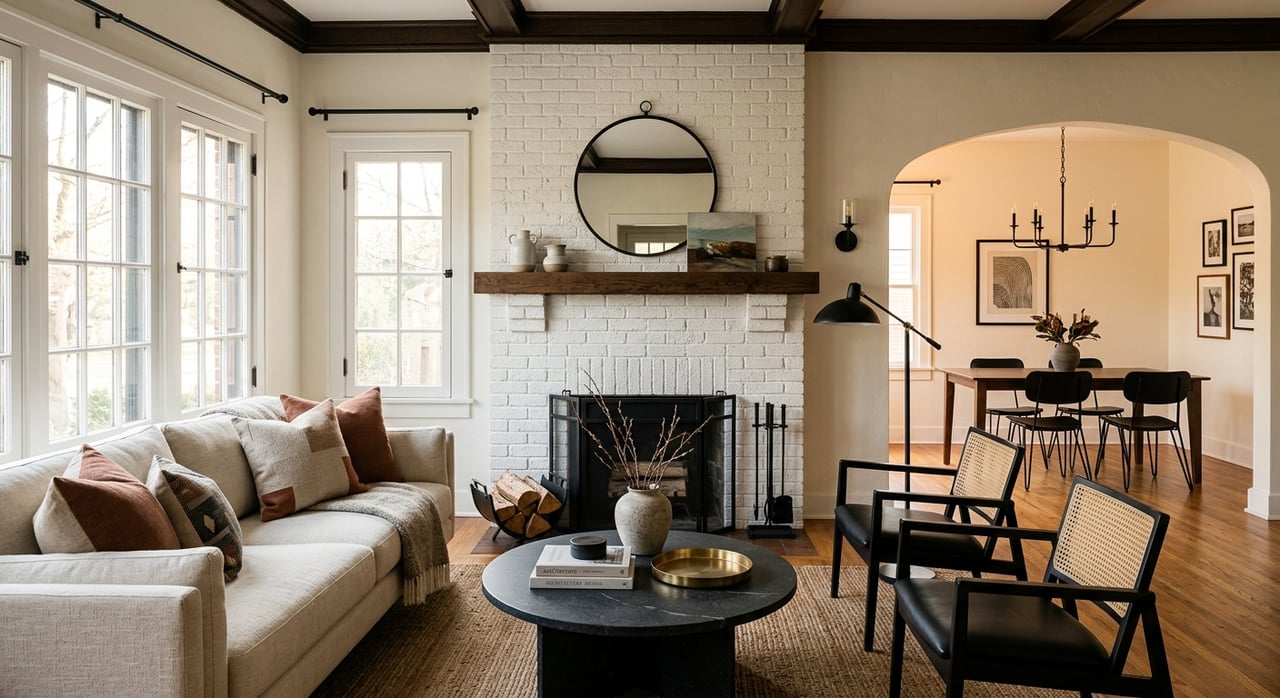
For a Congress Park or 7th Ave Historic District home, staging works best when it makes original features easier to notice. That often means keeping built-ins, fireplaces, woodwork, stair details, doors, and porch access visible while simplifying furniture, art, and accessories.
Keep Staging Simple and Honest
You do not need to over-style a period home to make it market-ready. In fact, too much furniture or trendy decor can distract from the architecture. NAR also found that when sellers’ agents did not fully stage, 51 percent still advised decluttering or fixing property faults.
A practical plan usually includes:
- Decluttering every major room
- Removing oversized or extra furniture
- Creating clear walking paths
- Letting fireplaces, built-ins, and millwork stand out
- Refreshing the living room, primary bedroom, and kitchen first
- Fixing visible wear before photos
That balance helps the home feel cared for and believable. It also reduces the risk of buyers feeling disappointed when a listing looks more polished online than it does in person.
Prep for Photos Like They Matter
They do. In NAR’s 2024 buyer survey, 43 percent of buyers began their search on the internet, and 51 percent found the home they purchased through online searches. The same survey found that 41 percent said photos were very useful and 31 percent valued floor plans.
NAR’s 2025 staging report adds more context: photos were important to 73 percent of buyers’ agents and 88 percent of sellers’ agents, while videos and virtual tours were also highly valued. That means your listing media is not an afterthought. It is one of the main ways buyers decide whether your home makes the short list.
What to Highlight in Listing Media
For homes in Congress Park and the 7th Ave Historic District, professional photography should clearly show:
- The front facade
- Porch details
- Roofline and architectural shape
- Windows and front door
- Front yard and walkway
- Mature trees and streetscape context
- Main interior gathering spaces
- Floor plan flow and original details
If the home is on or near East 7th Avenue Parkway, exterior images should also emphasize the setback, tree lawn, and continuous open space. Those features help buyers understand the setting, not just the structure.
Gather Disclosures Early
If your home was built before 1978, federal law requires disclosure of known lead-based paint hazards before sale. The EPA also says renovation or painting that disturbs lead-based paint should follow lead-safe practices.
For sellers, the main takeaway is simple: do not wait until you are under contract to track down paperwork or think through past repairs. Gathering disclosures early can make your listing process smoother and help avoid last-minute stress.
A Smart Seller Roadmap
If you want a clean, efficient path to market, follow this order:
- Confirm whether your home is in a historic district or subject to landmark review.
- Check whether planned exterior work needs review or a Certificate of Appropriateness.
- Complete visible repairs first, especially roof, trim, windows, porch, fence, and landscaping.
- Declutter and stage the main living spaces so the architecture reads clearly.
- Gather lead-based paint disclosures early if the home was built before 1978.
- Schedule professional photography only after repairs, cleaning, and staging are complete.
This sequence helps you avoid rework and protects the quality of your online presentation. It also gives buyers a clearer, more confident first impression.
Why Local Guidance Matters
In a neighborhood like Congress Park, small decisions can have an outsized effect on market readiness. Replacing the wrong exterior feature, overdoing the front yard, or photographing the home before it is truly ready can weaken the story your listing should be telling.
That is where local, hands-on guidance helps. When you work with someone who understands Denver’s older housing stock, historic review considerations, and the way buyers shop online, you can prepare your home with more confidence and fewer surprises.
If you are getting ready to sell in Congress Park or the 7th Ave Historic District, Michael Todd offers owner-operated guidance, thoughtful listing prep, and polished digital marketing to help your home stand out.
FAQs
What should sellers in Congress Park do before exterior updates?
- Confirm whether the property is individually landmarked or located in a historic district, then check whether the exterior work needs Landmark Preservation review or a Certificate of Appropriateness.
Can homeowners in the 7th Ave Historic District replace old windows before listing?
- Denver says historic windows should be repaired first when feasible, and any replacement should match the historic size, material, and appearance.
How should sellers stage a historic Congress Park home?
- Keep the living room, primary bedroom, and kitchen clean and simple, while making original features like woodwork, fireplaces, built-ins, and stairs easy to see.
What front yard changes are appropriate for historic Denver homes?
- Denver recommends retaining walkways and historic landscape features, while keeping front-yard fences simple, open, and low, with a maximum height of 48 inches.
Why are professional photos important for a Congress Park listing?
- Many buyers begin online, and strong photos help them understand the home’s architecture, layout, yard, and neighborhood setting before they ever schedule a showing.
Do sellers of older Denver homes need lead-based paint disclosures?
- If the home was built before 1978, federal law requires disclosure of known lead-based paint hazards before sale.