Trying to choose between Congress Park and Park Hill? You are not alone. Both neighborhoods offer strong housing options, recognizable Denver character, and good access to daily amenities, but they live very differently day to day. If you are weighing walkability, home style, transit, and price, this guide will help you sort out which address may fit your lifestyle and goals best. Let’s dive in.
Congress Park at a glance
Congress Park sits in Denver’s east-central core, bounded by York Street, Colfax Avenue, Colorado Boulevard, and Sixth Avenue according to the Denver Public Library. It is part of the city’s East Central Area Plan, which focuses on land use, housing, mobility, parks, and the local economy.
If you want a neighborhood with a more central feel, Congress Park stands out. Walk Score rates it at 83 for walkability and 49 for transit, making it one of Denver’s more walkable central neighborhoods.
What daily life feels like in Congress Park
Congress Park works well if you like to mix quiet residential blocks with nearby commercial corridors. Walk Score counts about 98 restaurants, bars, and coffee shops in the area, so you have a solid range of places to grab coffee, dinner, or run quick errands.
Transit access is also practical for many buyers. RTD service is anchored by Route 10 on East 12th Avenue, along with Routes 15 and 15L on East Colfax, which supports a bus-based lifestyle in a more compact part of the city.
Park Hill at a glance
Park Hill has a different rhythm. Denver Public Library traces its roots to a late-19th-century plat east of City Park, with development that began as a streetcar suburb and later expanded as an automobile suburb.
That history still shows up in how the neighborhood feels today. Walk Score rates Park Hill at 64 for walkability and 45 for transit, so it can still support some errands on foot, but it generally feels less dense and more spread out than Congress Park.
What daily life feels like in Park Hill
Park Hill offers a broader footprint and more dispersed amenities. Walk Score lists about 163 restaurants, bars, and coffee shops, but those destinations are spread across a larger area rather than concentrated into one compact grid.
The neighborhood also has strong transportation advantages for some buyers. RTD’s 40th and Colorado station provides A Line access and bus connections, Route 40 serves Colorado Boulevard, and Oneida Park offers a full city-block retail node. Park Hill is also near City Park attractions like the Denver Zoo Conservation Alliance and the Denver Museum of Nature and Science.
How the housing stock compares
The biggest difference for many buyers comes down to the homes themselves. Congress Park and Park Hill both offer character, but they do not deliver it in the same way.
Congress Park homes
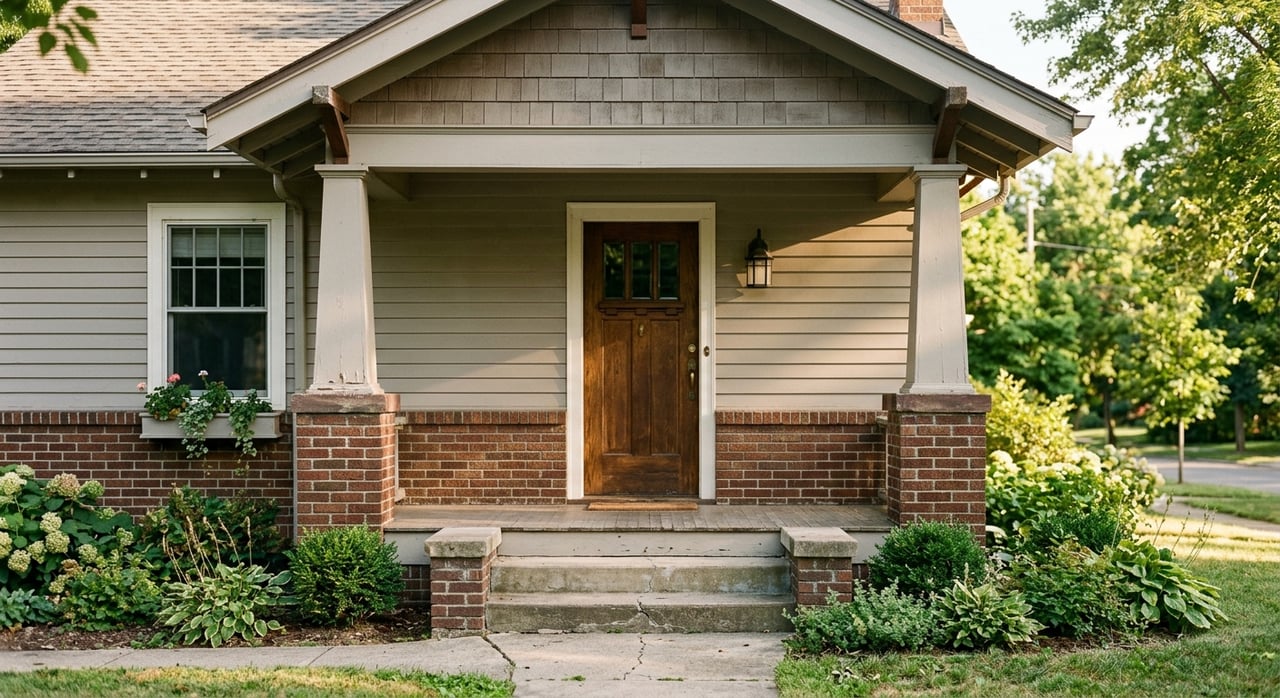
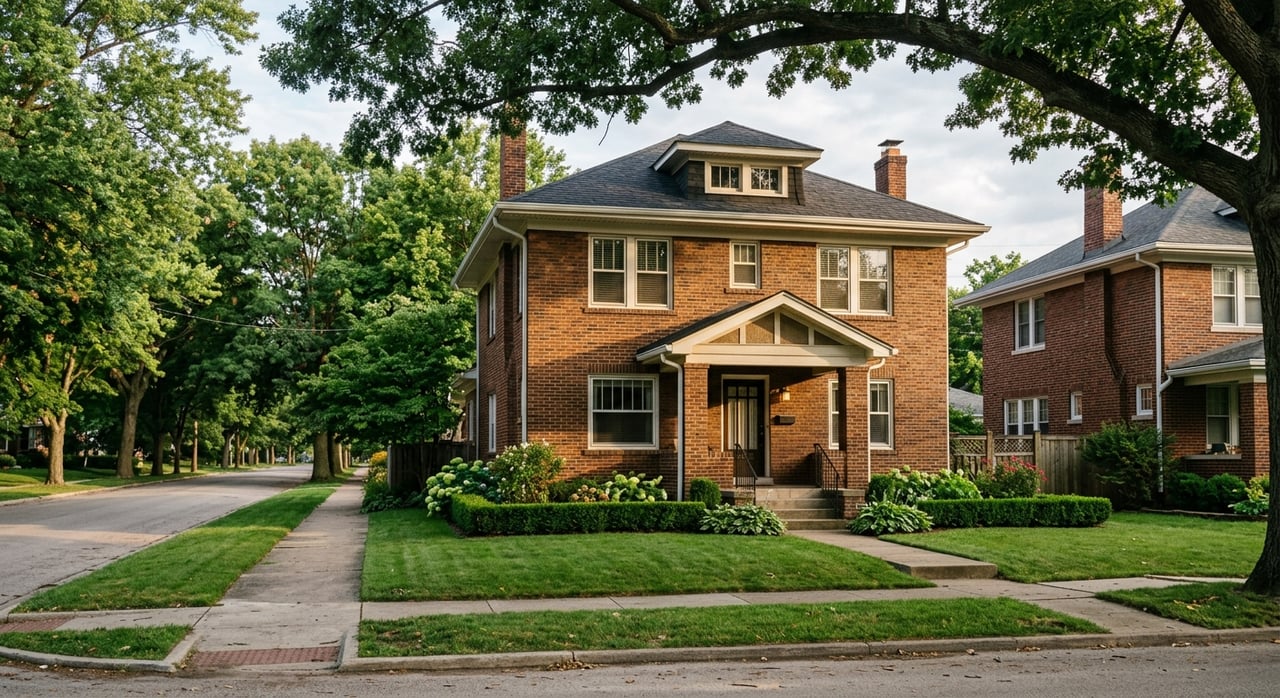
Congress Park began as Capitol Heights in the late 1880s. According to Denver Public Library, the neighborhood developed with single-family homes, duplexes, and apartment buildings, and its architecture includes Queen Anne and Victorian homes, Craftsman Denver Squares, and bungalows.
For you as a buyer, that usually means early-20th-century charm, lots of brick construction, and homes that may offer renovation potential. It also means a denser mix of housing types than you may find in parts of Park Hill.
East 7th Avenue Historic District
If you are focused on Congress Park, the East 7th Avenue Historic District deserves special attention. Denver Public Library describes it as Denver’s largest local historic district, with most buildings dating from the 1890s through the 1930s.
The district includes mansions, duplexes, terraces, and more modest houses along East 7th Avenue Parkway and nearby streets. Because it is a designated local historic district, exterior work on contributing properties can be subject to Landmark Preservation review. If remodeling flexibility matters to you, this is something to review early in your search.
Park Hill homes
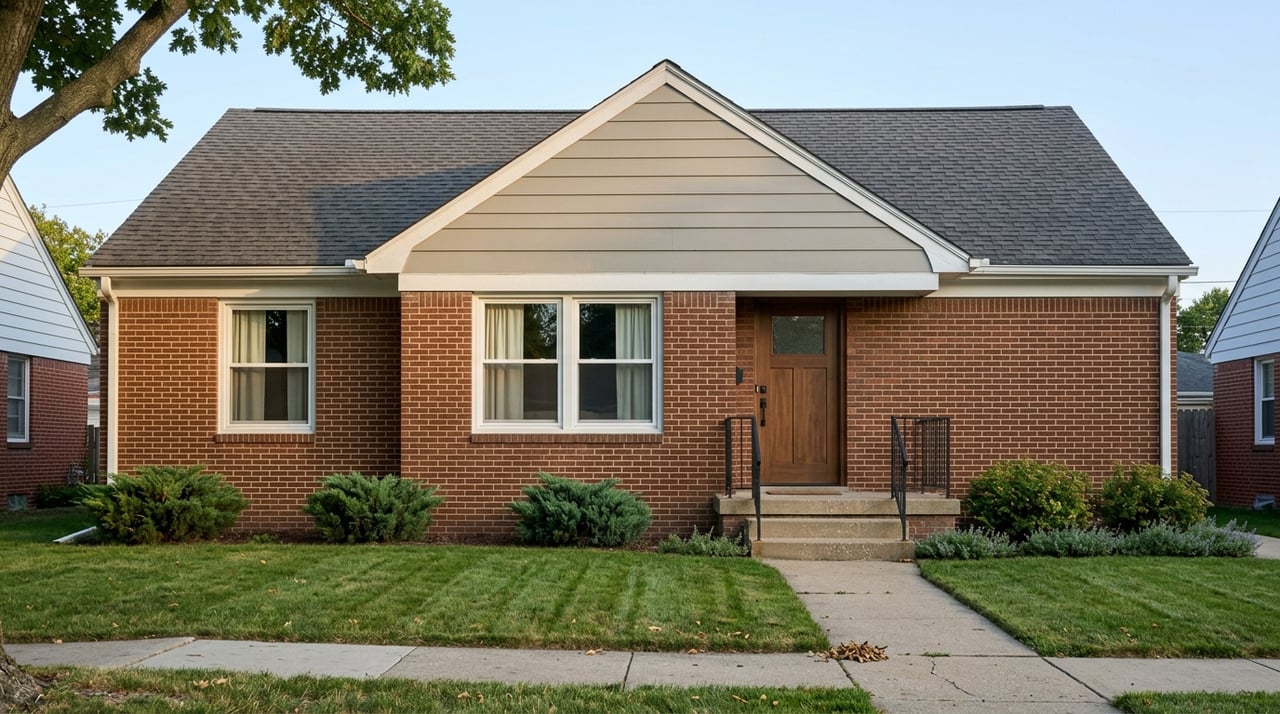
Park Hill offers a wider spread of housing eras and styles. Denver Public Library says the neighborhood includes Victorian forms, Arts and Crafts homes, and modest mid-century houses, with major building periods in the 1920s and 1930s and again in the 1940s and 1950s.
That variety can translate into a broader range of house sizes, lot sizes, and block-by-block feel. If you want more options across different budgets and home styles, Park Hill may give you a wider search field.
Price differences to know
Price is rarely the only factor, but it does help frame what each neighborhood may offer. The available data shows clear overlap, but also some important differences.
Congress Park pricing
Congress Park generally falls into Denver’s mid-to-upper price range. Zillow’s home value index places it at about $774,477, Redfin reported a median sale price of $861,000 last month, and Realtor.com showed a median list price of $709,900 with 60 homes for sale.
These numbers measure different things, so they are not exact apples-to-apples comparisons. Still, together they point to a neighborhood where updated historic homes and central location tend to support stronger pricing.
East 7th Avenue Historic District pricing
Within the East 7th Avenue Historic District, Redfin reported a median sale price of $865,000 last month. That places the district near the upper end of Congress Park pricing.
For many buyers, that reflects the value of preserved architecture, strong curb appeal, and a well-known historic setting. If those features are high on your list, you may need to budget closer to the top of the Congress Park range.
Park Hill pricing
Park Hill is more price-diverse. Redfin’s median sale price for Park Hill overall was $705,000 last month, while Zillow shows North Park Hill at about $661,095 and South Park Hill at about $907,008.
That range matters. In some parts of Park Hill, you may find a lower-cost entry point than Congress Park, while premium homes in South Park Hill can compete directly with or exceed Congress Park pricing.
Walkability, transit, and lifestyle fit
If you are deciding between these two neighborhoods, it often helps to focus less on which one is "better" and more on which one matches how you want to live.
Choose Congress Park if you want central walkability
Congress Park tends to be the stronger fit if your priorities include:
- More day-to-day walkability
- A more central Denver location
- A compact neighborhood feel
- Early-20th-century homes and historic character
- Access to a stronger bus-based transit grid
If you picture yourself walking to coffee, dinner, or errands more often, Congress Park likely checks more of those boxes.
Choose Park Hill if you want more range
Park Hill tends to fit buyers who want:
- A broader range of home sizes and styles
- More varied price points across subareas
- Access to the A Line near 40th and Colorado
- A slightly more residential day-to-day feel
- A neighborhood with amenities spread across a larger footprint
If your priority is flexibility in home type, budget, or rail access, Park Hill may give you more room to compare options.
Planning and resale context
City planning can shape how a neighborhood evolves over time, which matters if you are thinking beyond your immediate move. Congress Park falls within the East Central Area Plan, while South Park Hill is part of the East Area Plan.
The city says the East Central plan addresses land use, housing, mobility, parks, and the local economy. The East Area Plan emphasizes preserving architectural history, preserving trees and landscaped areas, and adding parks and community-gathering spaces. For buyers thinking about long-term livability and resale, both neighborhoods benefit from planning priorities tied to preservation and the public realm.
So, which Denver address fits you?
If you want a more central, walkable neighborhood with compact blocks, classic early-20th-century architecture, and a stronger bus network, Congress Park is likely the better fit. If you want more variety in house size, price point, and architectural era, plus easier rail access on the east side, Park Hill may make more sense.
The right choice often comes down to your daily routine, renovation plans, and budget. As a Denver native who was raised in Park Hill and now lives in Congress Park, Michael brings firsthand insight into how these neighborhoods compare beyond the listing photos. If you want help narrowing the right fit, Michael Todd can guide you through the options with local knowledge and clear market context.
FAQs
Is Congress Park more walkable than Park Hill in Denver?
- Yes. Walk Score rates Congress Park at 83 for walkability, compared with 64 for Park Hill.
Does Park Hill have better rail access than Congress Park?
- For many buyers, yes. Park Hill has access to RTD’s 40th and Colorado station with A Line service and bus connections, while Congress Park relies more on bus routes such as Route 10 and Routes 15 and 15L.
Are homes in Congress Park usually more expensive than homes in Park Hill?
- In general, Congress Park trends higher overall, with a reported median sale price of $861,000 last month versus $705,000 for Park Hill overall, though some South Park Hill homes can meet or exceed Congress Park pricing.
What should buyers know about the East 7th Avenue Historic District?
- It is Denver’s largest local historic district, and exterior work on contributing properties can be subject to Landmark Preservation review.
Is Park Hill or Congress Park better for historic homes in Denver?
- Both offer historic housing, but Congress Park has a denser mix of early-20th-century homes and direct overlap with the East 7th Avenue Historic District, while Park Hill offers a broader mix of eras that includes Victorian, Arts and Crafts, and mid-century homes.