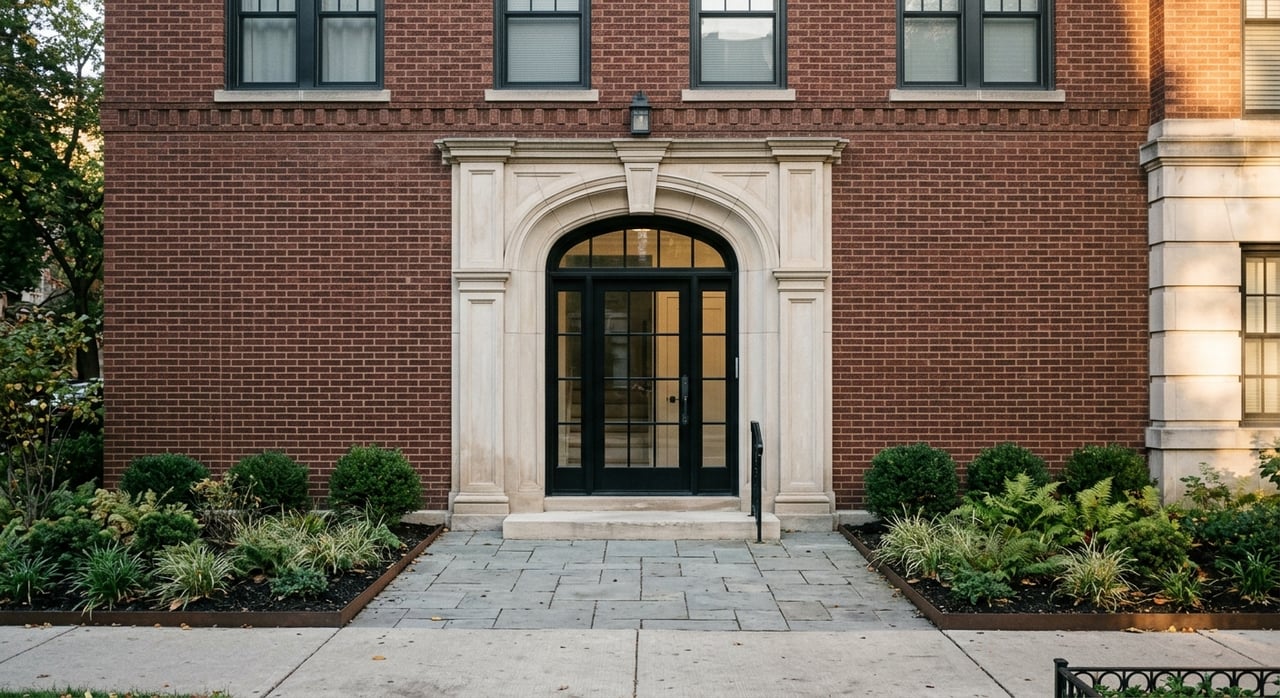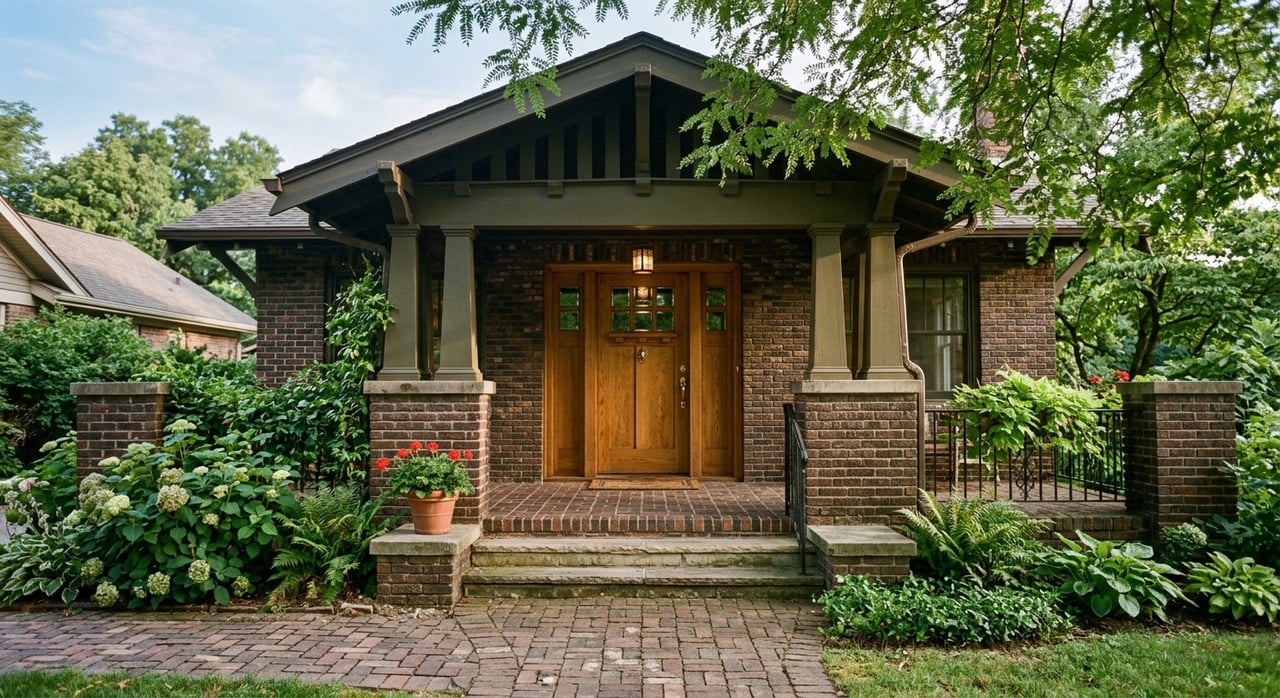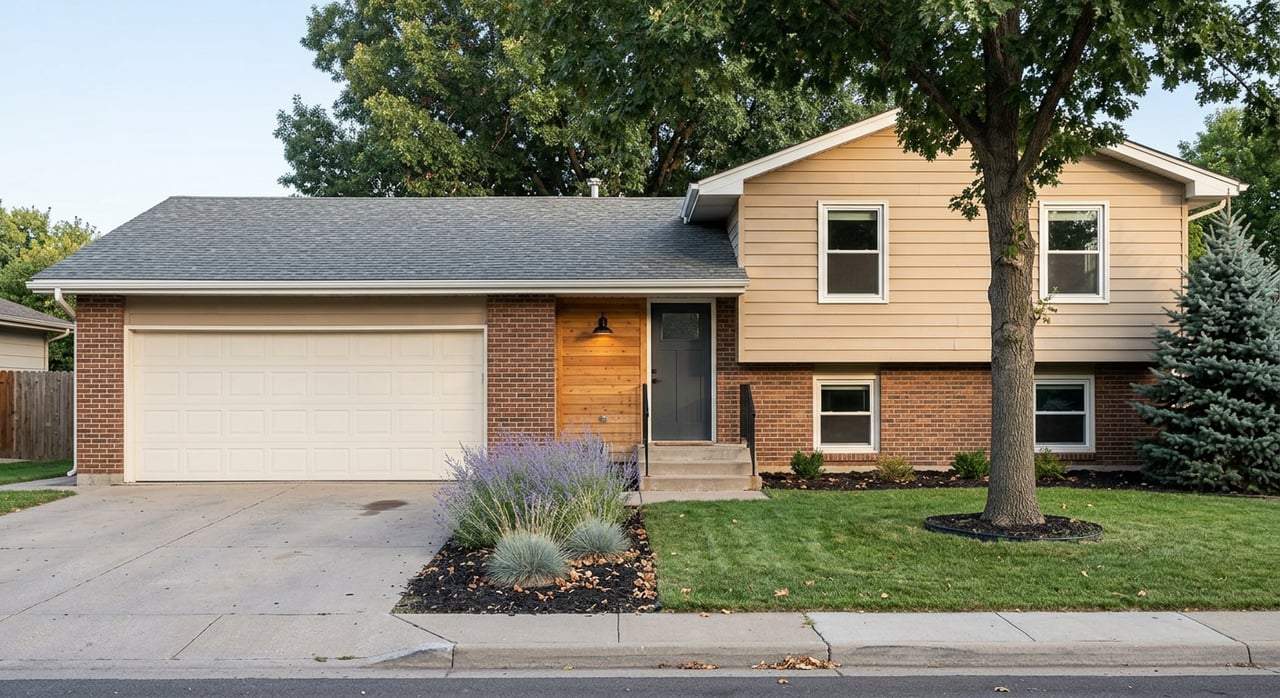
Buying your first home in Montbello can feel exciting and a little overwhelming. You are stepping into a fast-moving pocket of Denver with mostly 1960s–1970s homes, limited active listings, and lots of acronyms. The good news: with a clear plan, you can compete with confidence, understand total costs, and use local funding to stretch your budget. This guide gives you a practical, Montbello-focused roadmap from pre-approval to keys in hand. Let’s dive in.
Montbello snapshot: what to expect
Montbello is Denver’s most populous neighborhood, largely developed after 1965. Many single-family homes are ranch, split-level, or bi-level styles from the 1960s and 1970s. Around half of local households speak Spanish at home, so Spanish-language resources and bilingual service are widely used by buyers.
Recent third-party market snapshots place the median sale price near $439,500, with typical days on market in the high 20s. Some value indexes show typical values closer to $423,000. Different platforms use different methods, so expect small differences. Inventory often counts in the tens of listings, and sale-to-list ratios hover near parity. Prepared, pre-approved buyers tend to have an edge.
Neighborhood change is active here. Community projects and investments can influence housing demand and access to services over time. If you plan to stay long term, track planned developments and local public investments for context and potential impact.
Your step-by-step roadmap
Step A: Pre-approval and homebuyer class
Get fully pre-approved before you tour. Lenders typically request two years of W-2s or tax returns, recent paystubs, bank statements, government ID, and a credit pull. A firm pre-approval helps you move fast and is often required for down payment assistance.
Take a HUD- or CHFA-approved homebuyer education course early. Many assistance programs require a certificate before closing. CHFA offers online and in-person options, including Spanish-language Mi Hogar resources. Save your certificate for your loan and DPA file.
- Explore CHFA’s programs, education, and participating lenders: CHFA Down Payment Assistance
Step B: Read Montbello comps the right way
Ask your agent for an MLS comparative market analysis that focuses on the last 3 months of closed sales. In a dynamic market, the freshest data is most useful. If inventory is thin, widen your window to 6 months and adjust for differences.
Compare apples to apples. Note square footage, bed/bath count, condition and updates, lot size, garage or parking, finished basement, and obvious deferred maintenance. A fully remodeled comp may not match an original-condition home.
Cross-check sale history and property details in public records. County assessor or recorder data helps confirm sale history, tax history, and recorded documents. Denver’s Department of Housing Stability also lists local homeownership resources and counseling partners that can support your planning.
- Local homeownership resources: Denver Department of Housing Stability
Watch the momentum. Track price per square foot and days on market over the past few months. If comparable homes are selling quickly at or near list price, strengthen your terms with fast timelines, a clean pre-approval, and thoughtful earnest money.
Step C: Estimate your full monthly cost
Build a complete monthly picture before you write an offer. Include:
- Principal and interest on your loan
- Property taxes
- Homeowners insurance
- HOA dues if applicable
- Mortgage insurance if your down payment is under 20 percent
- Utilities and routine maintenance
How to estimate P&I. Use your lender’s calculator to run current rates and your exact scenario.
Illustrative example only. Using a sample purchase price of $439,500 and a 3 percent down payment, the loan would be about $426,000. At a sample 30-year fixed rate of 6.25 percent, principal and interest would be roughly $2,600 to $2,650 per month. Your exact payment depends on your rate, credit, and program.
Property taxes. Colorado uses residential assessment rates in combination with local mill levies to set tax bills. A common Denver-area rule of thumb is 0.6 to 0.8 percent of market value per year, but you should check parcel-specific details with the assessor.
- Assessment rate reference: Colorado Department of Property Taxation
Mortgage insurance. Conventional PMI often ranges about 0.3 to 1.5 percent of the loan per year depending on credit and down payment. FHA loans include an upfront and annual mortgage insurance premium. Ask lenders for quotes on both so you can compare the lifetime cost.
- About PMI: Fannie Mae on private mortgage insurance
- About FHA MIP: FHA mortgage insurance overview
Putting it together. Example only: P&I about $2,625 plus taxes about $240, insurance about $100, and PMI about $200 yields a total near $3,165 per month. This is a sample scenario. Always run current numbers with your lender and insurer.
Step D: Down payment help to check first
Many Montbello buyers use assistance to reduce upfront cash.
CHFA DPA. Options include a grant up to the lesser of $25,000 or 3 percent of the first mortgage, or a second-mortgage option up to the lesser of $25,000 or 4 percent that is typically repaid when you sell or refinance. CHFA requires approved education and participating lenders. Start early because document collection takes time.
CHFA Down Payment AssistancemetroDPA and CHAC. The City and County of Denver’s Department of Housing Stability lists metroDPA and Colorado Housing Assistance Corporation as local resources. These programs can have income limits, forgiveness timelines, and funding windows. Reservation slots can be limited, so apply quickly once you are under contract.
Denver HOST resources
Tip: As soon as your offer is accepted, submit your DPA application with your participating lender so it does not slow your closing.
Step E: Inspect older-home essentials
Many Montbello homes date to the 1960s–1970s, so expect inspectors to look closely at materials and systems common to that era.
Lead-based paint. For pre-1978 homes, federal rules require a lead disclosure. Consider a lead risk assessment if young children or pregnant people will live in the home.
Resource: HUD lead-based paint guideRadon. Denver County is in a high-radon area per EPA guidance. Include a radon test during your inspection period. If levels are high, mitigation is common and effective.
Resource: EPA radon zone guidancePolybutylene plumbing. Homes built or remodeled in the late 1970s through the mid-1990s can have PB piping that is prone to failure. Ask your inspector to identify materials and get plumber estimates if PB is present.
Resource: InterNACHI on polybutylene pipingAluminum branch wiring and older panels. Some late-1960s and 1970s homes used aluminum wiring. A licensed electrician can advise on safety, repairs, or pigtailing.
Background: Washington Post overview of wiring risksSewer and drainage. Older cast-iron or clay laterals can fail. A sewer scope is a smart add-on. Check grading and downspouts for proper drainage and watch for signs of perimeter water issues.
How to use the report. After inspection, you can ask the seller to repair major safety or structural items, request a credit or price reduction, or accept the home as-is at a revised price. If moderate renovations are needed and you qualify, ask your lender about rehab-friendly loan options such as FHA 203(k).
Spanish-language and budget-smart tips
Se habla español. If you prefer to learn and plan in Spanish, CHFA’s Mi Hogar materials and approved classes are a practical first stop. Michael can help you set up a bilingual pre-approval and connect you with participating lenders and counselors.
- Spanish-friendly education and DPA: CHFA Mi Hogar and programs
Budget moves for low-cash buyers:
- Layer assistance. Pair CHFA with metroDPA or CHAC where eligible to cut your upfront cash need. Program rules vary, so compare totals with your lender.
- Compare FHA to conventional 3 percent down. Conventional PMI can be cancelled once you reach 80 percent loan-to-value, while FHA includes upfront and annual mortgage insurance. Ask for side-by-side quotes.
Learn more: FHA mortgage insurance overview - Use seller credits strategically. In hotter segments, credits can be harder to win, but a well-structured offer that pairs a strong price with reasonable credit requests can still work.
Your first 30 days: a simple plan
- Week 1: Speak with a CHFA-participating lender, gather documents, take or enroll in a homebuyer class, and set your monthly budget target.
- Week 2: Review a fresh MLS CMA for Montbello, tour homes that match your search, and refine your must-have list.
- Week 3: Write offers with clean terms that fit current days on market, then line up inspection vendors in advance.
- Week 4: Once under contract, submit DPA applications immediately, complete inspections and any specialist follow-ups, and keep your loan file updated.
Local resources to bookmark
- CHFA down payment assistance, education, and lender list: CHFA
- Denver HOST affordable homeownership programs and counseling partners: Denver HOST
- Colorado assessment rate reference for estimating taxes: Colorado DPT
- EPA radon zone guidance for Denver County: EPA Radon
- Lead-based paint guidance for pre-1978 homes: HUD LBP Guide
- Polybutylene piping info for inspections: InterNACHI PB Guide
- Private mortgage insurance basics: Fannie Mae PMI
Ready to start?
If Montbello is your next move, let’s build a plan that fits your budget, your timeline, and the current market. From a clean pre-approval to a tight inspection strategy, you will work directly with a Denver-native agent who knows the data and the neighborhoods. Connect with Michael Todd to schedule a friendly, no-pressure consult.
FAQs
How should a first-time Montbello buyer choose comparable sales?
- Focus on the last 3 months of closed sales for the most current picture, widen to 6 months if inventory is thin, and adjust for size, condition, and updates.
Do down payment assistance programs delay closing in Denver?
- They add steps like a DPA application and extra documents. Start paperwork as soon as your contract is accepted and use a participating lender to stay on schedule.
What extra inspections do Montbello buyers often need?
- Add a radon test, sewer scope for older homes, an electrician’s review if aluminum wiring is suspected, and a specialist for any visible asbestos or mold concerns.
What is a typical Montbello home price right now?
- Recent snapshots show a median around $439,500, with some indexes near $423,000. Prices change often, so ask your agent for a current MLS CMA before you offer.
How do I estimate my Montbello property tax bill?
- Use the Colorado assessment rate and your local mill levies. A common quick estimate in Denver is 0.6 to 0.8 percent of value per year, then confirm with the assessor.