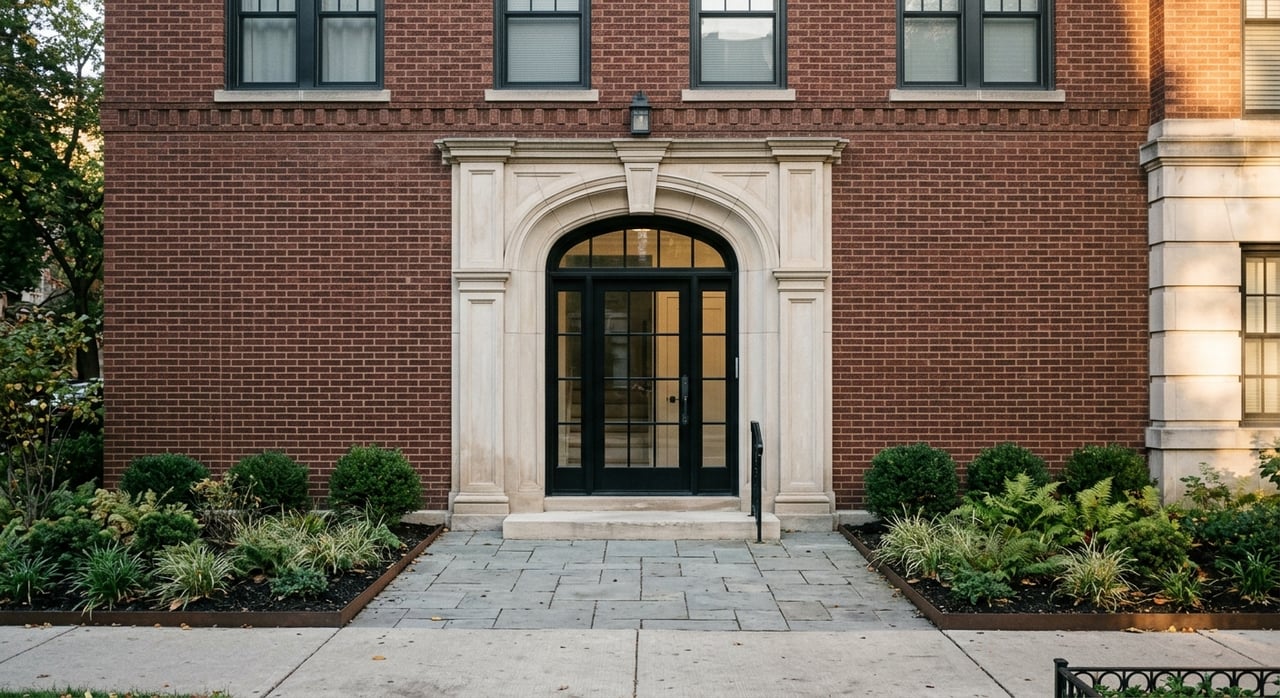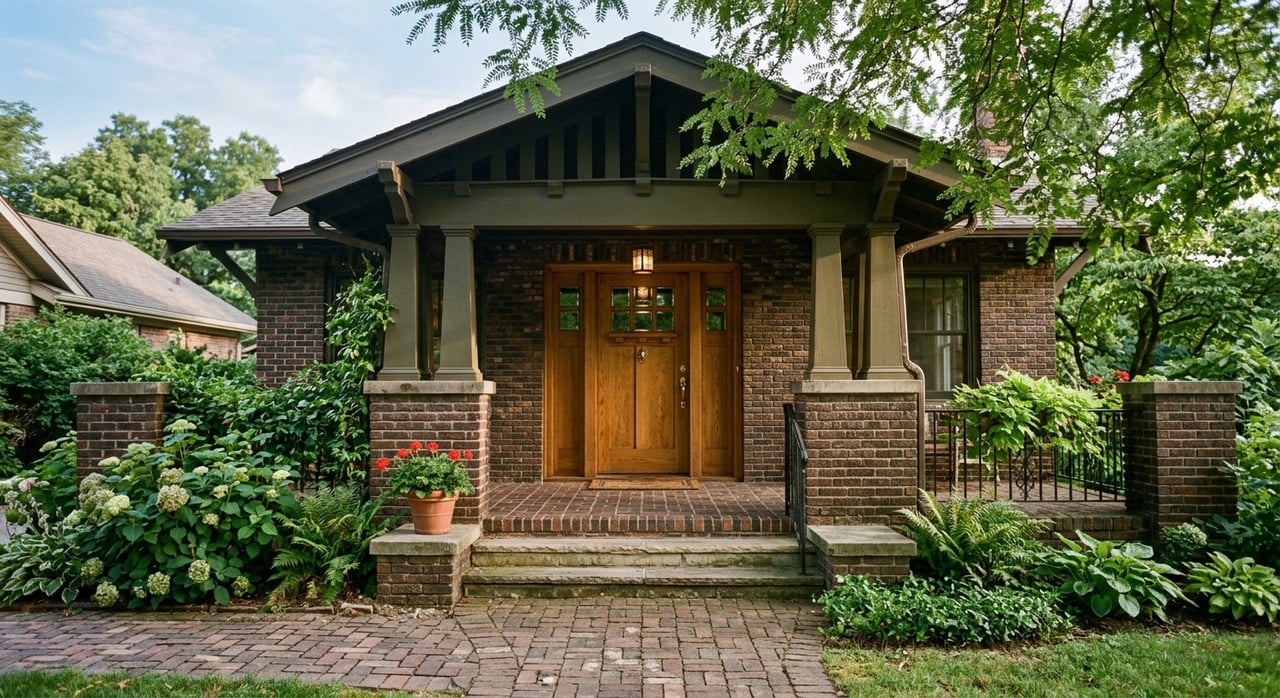
Thinking about buying a historic home in Congress Park? It is easy to fall for the charm first: brick facades, deep front porches, original woodwork, and blocks that still feel rooted in early Denver. But if you want that character to be a smart purchase, you also need to understand historic district rules, likely repair needs, financing options, and insurance details before you close. This guide will help you sort through the practical side of buying in Congress Park and the 7th Avenue historic area so you can move forward with more confidence. Let’s dive in.
Why Congress Park Appeals to Historic-Home Buyers
Congress Park stands out because much of its housing stock dates to the early 20th century. According to the Congress Park neighborhood survey by Historic Denver, nearly 80% of the buildings in the survey area were built between 1900 and 1929, and 83% of those were single-unit homes. That gives you a better chance of finding a property with original architectural character instead of a heavily standardized housing style.
Single-unit homes in the area are most commonly bungalows, followed by Foursquares. The same survey notes 34 architectural styles across the neighborhood, from Victorian-era homes to early Modern and mid-century buildings. If you are drawn to older homes with distinct details, Congress Park offers a wide range of options within a compact central Denver setting.
The area also reflects Denver’s older urban design pattern, with tree-lined streets and sidewalks that help create a mature neighborhood feel. For many buyers, that blend of architecture, walkable blocks, and central location is the big draw. It is not just about buying a house. It is about buying into a built environment with lasting character.
Historic Districts in Congress Park
One of the most important things to know is that Congress Park is not covered by one single neighborhoodwide preservation overlay. Instead, the area includes several designated districts and landmarks, including the East Seventh Avenue Historic District, Frank S. Snell Subdivision, Wyman Historic District, and Morgan’s Subdivision, according to the Historic Denver survey report.
The City and County of Denver notes that the East Seventh Avenue Historic District was designated in 1993, with a period of significance through 1943, and the Steele Street extension was added in 2021 with a period through 1990. That matters because whether a home is designated, contributing, or outside a district can affect what changes you can make and what approvals may be required.
A good reminder of the area’s long history is the Stahl House at 1272 Columbine Street, which the city says was built in 1889 and is one of the few remaining William Lang designs in the neighborhood. While not every home carries that level of recognition, it shows the architectural depth that exists in this part of Denver.
What “Historic” Means for Renovation Plans
If you buy a designated landmark property or a home in a historic district, your exterior project may need design review. Denver says its Landmark Preservation design guidelines apply to designated landmarks and historic districts, and they are based on the Secretary of the Interior’s Standards.
In practical terms, that means exterior changes are not always as simple as hiring a contractor and pulling a permit. The city states that design review applies to exterior projects that require building or zoning permits on landmark or historic-district properties. For a buyer, that should be part of your due diligence before you assume you can replace windows, build an addition, change siding, or alter a porch.
Projects that often need review
Denver requires pre-application meetings for projects such as:
- ADUs
- Additions
- Pop-tops
- New construction
- Historic window and door replacements
- Demolition of locally designated landmarks or district structures
- Sign plans
The city also notes that Landmark Preservation Commission review can be triggered by larger or more visible work, including:
- Additions over 900 square feet
- Additions exceeding 40% of the existing above-grade area
- Rooftop additions visible from public areas
- New construction
- Changes to visible doors, windows, porches, and other historic features
- Major material changes
- Demolition
If you plan to update a home after closing, it is worth confirming early whether your project falls into one of these categories. Denver also warns that changes made after approval must be resubmitted, and unapproved changes can lead to inspection denial.
Materials may be more limited
Historic-home buyers are sometimes surprised that material choices can be restricted. Denver’s guidance identifies compressed artificial wood, T-111 siding, faux-wood-grain siding or trim, vinyl windows, and internal muntins as examples of materials that are not allowed in this review context. That does not mean every repair has to be expensive, but it does mean compatibility matters.
This is one reason historic homes need a different planning mindset. The upgrade you picture on day one may need to be revised to match district standards and approved materials.
Common Issues in Older Homes
Even a well-cared-for historic home can come with age-related maintenance needs. A useful way to think about this is by looking at the types of improvements listed in HUD’s 203(k) consumer guide, which include plumbing, heating, air conditioning, electrical systems, roofing, siding, gutters, windows, flooring, structural damage, additions, accessibility work, and garage improvements.
That list mirrors many of the categories buyers should evaluate during inspections in Congress Park. Older homes often have great bones, but major systems may have been updated at different times, and not always to the same standard. A strong inspection strategy can help you separate cosmetic charm from more expensive deferred maintenance.
Lead-based paint risks
If the home was built before 1978, lead-based paint should be part of your due diligence. The EPA says the older the home, the more likely it is to contain lead-based paint, including 87% of homes built before 1940. Since much of Congress Park’s housing stock dates from 1900 to 1929, this is highly relevant for buyers in the area.
If future repairs or renovations disturb painted surfaces, lead-safe work practices matter. EPA rules also apply to many paid renovation projects through its Renovation, Repair, and Painting framework, so it is smart to ask questions before scheduling work.
Asbestos concerns
The EPA’s asbestos guidance says suspect materials in older buildings can include floor tile, ceiling tile, pipe wrap, insulation, shingles, siding, and textured paint. If a material is damaged or a renovation will disturb it, professional sampling or handling is recommended.
For buyers, the takeaway is simple: older materials are not automatically a dealbreaker, but they do change the renovation process. You want to know what may be present before you budget a remodel.
Financing a Historic Home Purchase
Historic-home buyers often focus on the purchase price, but the right financing structure can be just as important. If the house needs work, renovation financing may help you avoid draining cash right after closing.
HUD’s FHA 203(k) program allows buyers to finance the purchase and rehabilitation in one loan. The program includes a Standard 203(k) for major rehabilitation and a Limited 203(k) for less extensive non-structural work. HUD also notes that the home must be at least one year old and that permits must be obtained before work begins.
Another option is Fannie Mae’s HomeStyle Renovation loan, which combines the mortgage and renovation budget into one loan. Fannie Mae says eligible projects can include kitchen and bath updates, additions, window upgrades, HVAC replacement, backup power, and resiliency improvements, with work required to comply with local laws and building codes.
If you are buying a historic property in Congress Park, financing choices should line up with both the home’s condition and any district review requirements. A house that looks manageable on paper can become much easier to own when your financing strategy fits the project.
Insurance Questions to Ask Before Closing
Insurance deserves extra attention when you buy an older home. According to the Insurance Information Institute, older homes may need modified replacement-cost coverage because standard policies may not fully account for the cost of rebuilding to current code or recreating special features like plaster walls.
Before you close, ask your insurance provider about:
- Replacement-cost coverage
- Ordinance or law coverage
- Inflation-guard clauses
- Extended replacement-cost coverage
Those details can matter more in a historic home because code upgrades and specialty materials can raise rebuilding costs after a loss. This is one of those behind-the-scenes steps that can protect your budget long after move-in day.
Tax Credit Opportunities to Explore
If you are buying a designated historic property, you may want to look into Colorado’s state historic preservation income tax credit. Denver notes that owner-occupants, owners who do not earn income from the property, and some long-term tenants may apply for eligible rehabilitation work on designated historic properties.
Eligibility depends on the property and the work being done. Non-contributing buildings and non-contributing features are not eligible, so it is worth checking status early if this is part of your financial plan.
A Smart Buying Strategy for Congress Park
Buying a historic home in Congress Park can be incredibly rewarding, but it works best when you balance emotion with process. The charm is real, and so are the extra layers of due diligence.
A smart approach usually includes:
- Confirming whether the property is designated or located within a historic district
- Reviewing likely design-review requirements for planned exterior changes
- Looking closely at systems like plumbing, electrical, HVAC, roofing, and windows
- Asking about lead-based paint and asbestos before renovation work
- Exploring renovation-friendly financing if updates are needed
- Reviewing insurance coverage for older-home rebuild costs
- Checking whether any historic tax credit may apply
When you plan for these issues upfront, you are in a much stronger position to buy with confidence instead of reacting to surprises later.
If you are considering a historic home in Congress Park or the 7th Avenue area, working with a local advisor who understands both the neighborhood and the practical side of older properties can make the process much smoother. If you want guidance tailored to your search, schedule a free consultation with Michael Todd.
FAQs
What types of historic homes are common in Congress Park?
- According to Historic Denver’s Congress Park survey, the area is dominated by homes built between 1900 and 1929, with bungalows and Foursquares among the most common single-unit house forms.
Do all homes in Congress Park have historic restrictions?
- No. Congress Park includes several designated districts and landmarks, but not every property in the neighborhood is automatically protected or subject to the same review process.
What renovations on a Congress Park historic home may need review?
- Exterior work such as additions, visible window or door changes, porch changes, new construction, some material changes, and demolition may require review depending on the property and project.
Is lead-based paint a concern in older Congress Park homes?
- Yes. EPA says older homes are more likely to contain lead-based paint, and that is especially relevant in Congress Park because many homes were built well before 1978.
Are there financing options for buying and fixing up a historic home in Denver?
- Yes. FHA 203(k) and Fannie Mae HomeStyle Renovation loans are two options that can combine the purchase and renovation budget into one loan, depending on the scope of work and loan qualifications.
Can buyers of designated historic homes in Denver qualify for tax credits?
- Possibly. Colorado’s state historic preservation income tax credit may be available for eligible rehabilitation work on designated historic properties, but eligibility depends on the building and the specific work completed.