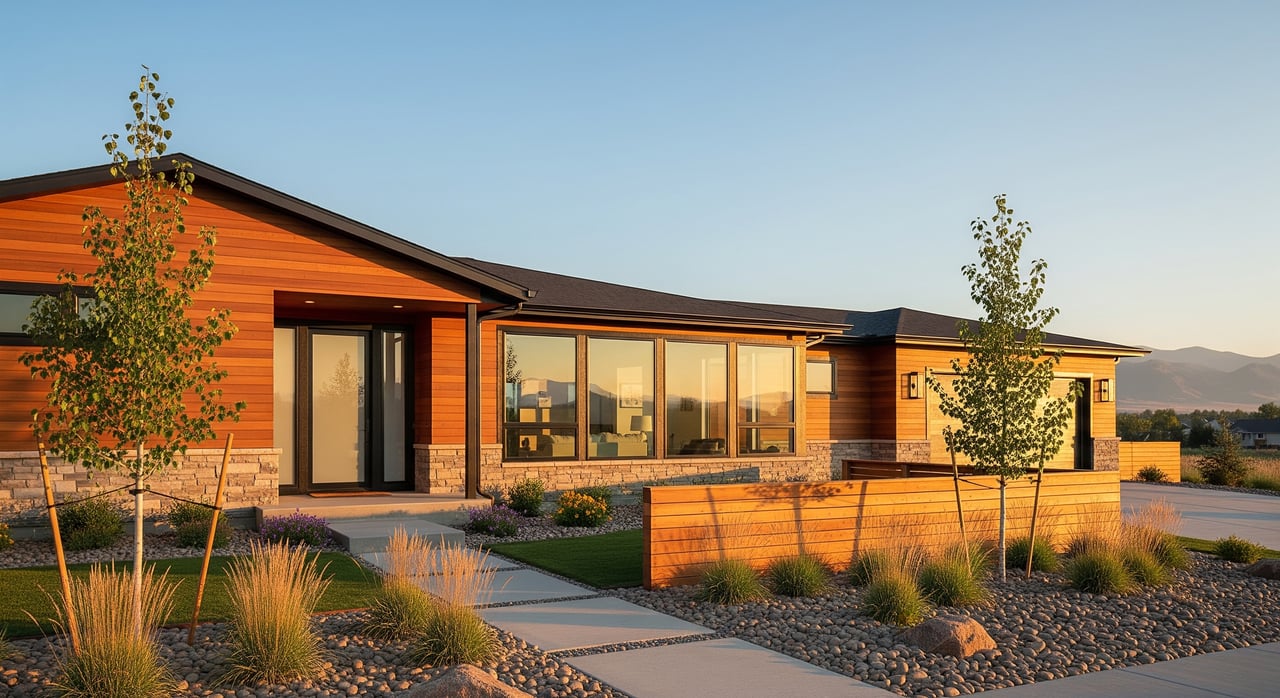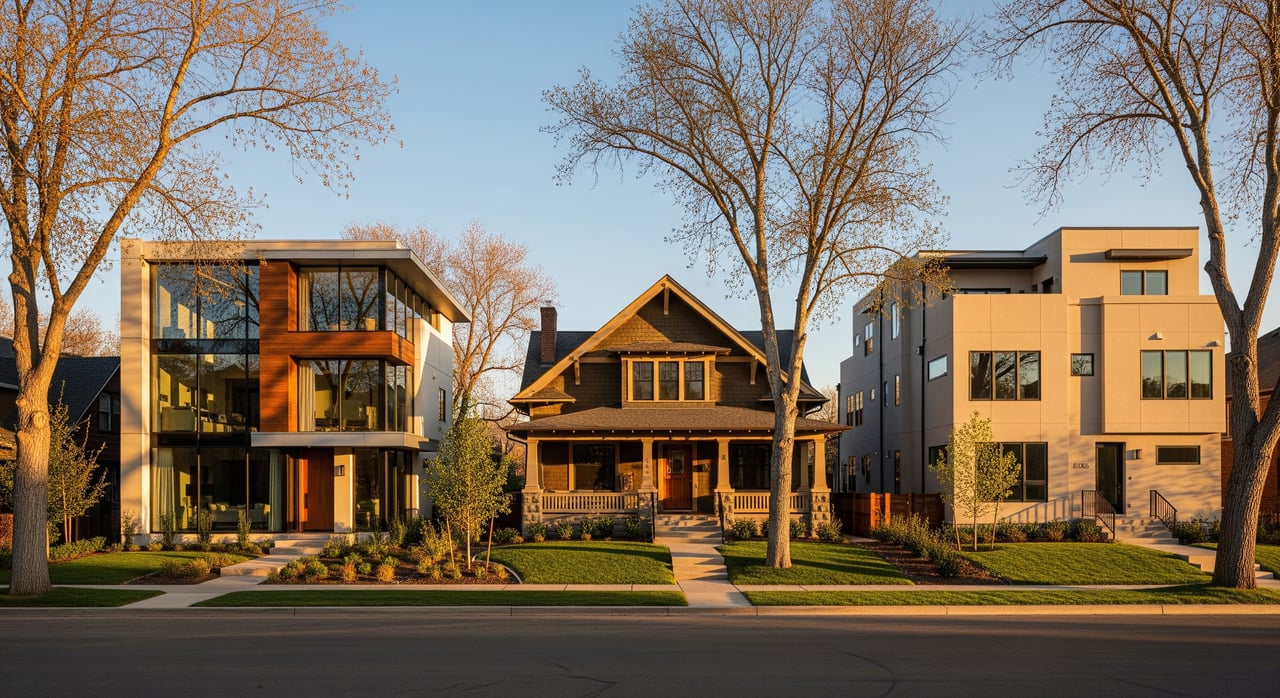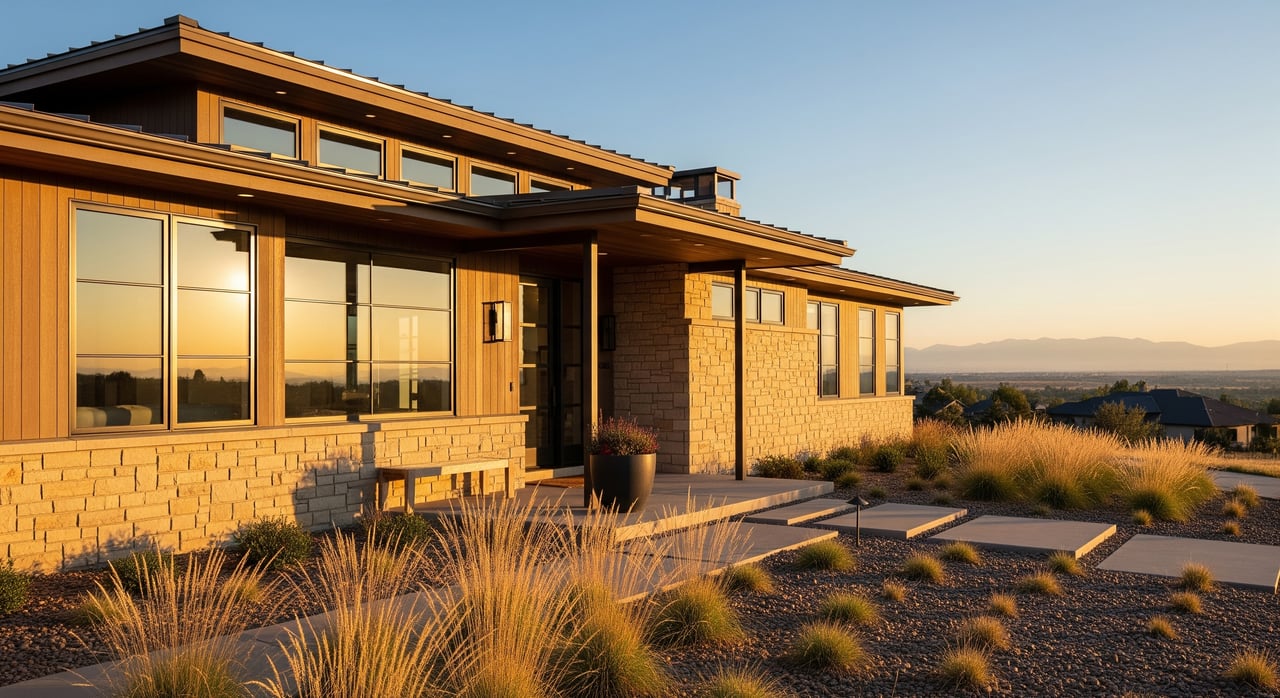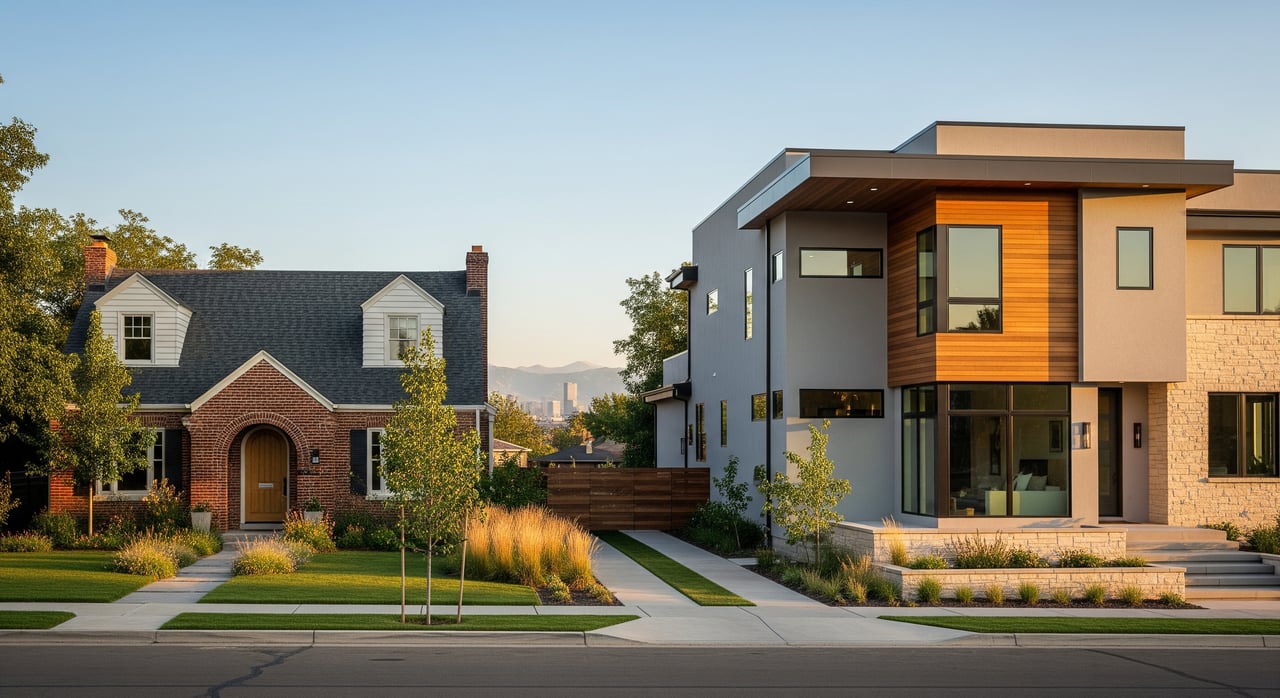
Trying to decide between a new-build and a resale home in Green Valley Ranch? You are not alone. The right choice depends on your timeline, budget, and how much you value warranties and customization. In this guide, you will learn how the process, costs, and negotiation strategy differ for new construction and resale homes in this northeast Denver community. Let’s dive in.
Green Valley Ranch snapshot
Green Valley Ranch is a master-planned neighborhood in northeast Denver with single-family homes, townhomes, multifamily areas, parks, and local shopping. It sits inside the City and County of Denver, so your property taxes are administered by Denver. Many properties are also part of special or metro districts that fund infrastructure and services.
Market conditions shape your negotiation power. In a low-inventory, seller-favored market, resale homes can get multiple offers quickly, and builders may be less likely to cut base prices. In a balanced or buyer-favored market, resale sellers may offer price reductions or credits, and builders often use incentives like upgrades or rate buydowns to move inventory. For current numbers on inventory and days on market, plan to review MLS data and Denver tax details with your agent.
Timeline: move-in speed
Resale timing
If you want to move soon, resale can be faster. Typical time from offer to close is about 30 to 45 days with a conventional loan. Cash can be quicker, while appraisal or inspection issues can extend the schedule.
New construction timing
New-build move-in depends on the stage of the home. Inventory or quick move-in homes can close in roughly 30 to 90 days. If the home is under construction, many production builds in Denver run about 3 to 9 months from contract to completion, with custom projects taking longer.
What can change your date
Denver permitting and inspections can affect build timelines, especially for major projects. Weather, supply chain delays, and subcontractor schedules can also shift dates. If you request a lot of upgrades or change orders, expect added lead time.
Process differences
Resale steps to expect
Resale purchases are driven by contingencies. You will complete inspection, appraisal, and financing within set deadlines. You can often negotiate occupancy details, such as a quick close or a short rent-back if the seller needs time.
New-build steps to expect
New construction follows builder milestones. You may have scheduled walk-throughs at pre-drywall and again near completion, plus a punchlist process for final fixes. If the home is not complete, financing can involve construction-to-perm options and staged inspections. Builders publish estimated completion dates, but these are estimates only.
Warranties and inspections
Builder warranty basics
Most production builders use a tiered warranty structure. A 1-year limited warranty typically covers workmanship and materials. A 2-year warranty covers systems like HVAC, plumbing, and electrical. A 10-year structural warranty addresses major structural defects and is often backed by a third-party provider. Ask the builder for the actual documents so you can confirm coverage and procedures.
What to review in the warranty
Before you sign, check the warranty start date, transfer rules, and the claim process. Confirm what is excluded and how “normal settlement” is defined. Note any required dispute steps, such as arbitration, and the timelines you must follow to report issues.
Inspections that protect you
Even with a builder warranty, hire an independent inspector for the finished home. Attend the builder’s walk-throughs and document punchlist items in writing with clear completion dates. For resale homes, order a standard inspection and any specialists you need, such as roof, sewer scope, or HVAC.
Metro district costs
What metro districts do
Metro districts are local entities that finance and maintain infrastructure like roads, water, sewer, drainage, and parks. They repay bonds through property taxes and fees. In practice, that means homes within a metro district often carry a higher property tax load compared with similar homes outside a district.
How to verify your costs
It is essential to confirm whether a specific lot or address lies inside a metro district. Review the Denver Assessor and Treasurer tax statement for special district levies. Ask for district budgets and bond information to understand how long assessments may last and how the mill levy could change. Your title company and builder disclosures can also identify district membership and fees.
Total cost comparison
When comparing homes, look at your total annual housing cost, not just price. Include principal and interest, city and county property taxes, school and special district levies, HOA dues, any metro district fees, and a realistic maintenance budget. The metro district line can change your monthly cash flow, so build it into your numbers from the start.
Negotiation dynamics
Resale levers
With resale, you typically negotiate price, timing, inspection repairs or credits, and seller concessions. Strategy depends on days on market, condition, and the number of competing offers. Comps help justify your price and any credits you request.
New-build levers
With new construction, the base price may be less flexible. Your leverage often shows up in incentives and terms. Builders commonly negotiate on upgrades and options, lot premiums, closing-cost credits, or interest-rate buydowns through preferred lenders. Quick move-in or spec homes may include pricing adjustments, appliances, or landscaping to move inventory.
Who represents you at the model
The sales representative in the model works for the builder. To protect your interests, bring your own buyer’s agent and register them early, ideally before substantive conversations. That preserves representation and clarifies commission so you have an advocate reviewing contracts, timelines, and warranty provisions.
Contract terms to watch
Have your agent review the builder purchase agreement, deposit rules and refundability, change-order pricing, completion and occupancy clauses, inspection rights, and remedies for delays or defects. For resale, your agent will advise on inspection deadlines, appraisal gaps, and repair negotiations.
Quick checklist for buyers
Use this list to streamline your decision.
- Confirm if the property is inside a metro district, then review the current mill levy and any fees on the Denver tax statement.
- Request the builder’s sample warranty documents, including the structural warranty details and claim process.
- Get a written list of standard features, upgrade pricing, and a build schedule with estimated completion.
- Verify the builder’s registration policy for outside agents and register your buyer’s agent in writing.
- Obtain HOA covenants and budgets if applicable, and compare builder financing incentives to independent lender quotes.
- Plan for inspections: pre-drywall and final for new-builds when allowed, and a full inspection with specialists for resale.
- Document all punchlist items and change orders in writing with completion dates.
Which path fits you
Choose resale if you want a faster close, established landscaping and streetscapes, and the ability to negotiate repairs or credits. This path can be ideal if you are timeline-focused and want to compare multiple existing homes.
Choose new construction if you value customization, modern systems, and tiered warranty coverage. This path works well if your timeline is flexible and you want a home that matches your design choices.
In either case, build a full cost picture that includes property tax, metro district levies, HOA dues, and maintenance. Then align the numbers with your move-in date and how much oversight you want during the process. A clear plan will help you negotiate confidently.
Your next step
If you are weighing new construction versus resale in Green Valley Ranch, a local advocate can simplify the decision. As a Denver-native, owner-operated REALTOR, I help you compare homes, verify metro district costs, review builder contracts, and negotiate the right terms. Se habla español. When you are ready, reach out to Michael Todd to set up a friendly, no-pressure consultation.
FAQs
How long does a new home in Green Valley Ranch take to build?
- Many production builds complete in about 3 to 9 months from contract, while inventory homes can close in 30 to 90 days depending on status and lending.
How do metro districts in Denver affect my property taxes?
- Metro district levies appear on your property tax bill and can add an ongoing cost for bond repayment and operations, so confirm the district and mill levy before buying.
Can you negotiate with builders in Green Valley Ranch?
- Yes, builders often negotiate on upgrades, lot premiums, closing-cost credits, and interest-rate buydowns, with more flexibility on quick move-in or spec homes.
Do I need my own agent for new construction in Denver?
- Yes, the builder’s sales rep works for the builder, so register your buyer’s agent early to secure representation and have contracts and timelines reviewed.
What inspections should I do on a new-build home?
- Attend the builder’s walk-throughs, hire an independent inspector for the finished home, document punchlist items in writing, and confirm timelines for corrections.
What warranties come with new construction homes?
- Most production builders offer a 1-year workmanship and materials warranty, 2-year systems coverage, and a 10-year structural warranty, so review documents carefully.
How do closing timelines differ for resale versus new-build homes?
- Resale commonly closes in 30 to 45 days with financing, while new construction varies by build stage, from 30 to 90 days for inventory homes to several months for builds in progress.