If you love homes with real character, Park Hill probably already has your attention. From brick bungalows to classic Denver Squares, this neighborhood offers a style of housing that feels different from newer construction. If you are thinking about buying here, it helps to know what gives these homes their appeal, what trade-offs to expect, and where due diligence matters most. Let’s dive in.
Why Park Hill Homes Stand Out
Park Hill began as an 1887 plat and is recognized as one of Denver’s first exclusively residential areas and one of its first streetcar suburbs. Its main period of residential development ran from about 1893 through 1954, with especially active building periods from 1907 to 1917, 1920 to 1930, and the postwar years.
That history still shows up in the neighborhood’s housing stock today. Park Hill is known for predominantly brick homes that range from smaller bungalows to larger architect-designed houses. You will see a wide mix of styles, including bungalows, Denver Squares, Tudor Revival, Colonial Revival, Dutch Colonial Revival, Mission and Spanish Colonial Revival, Italian Renaissance, Edwardian, and postwar minimal traditional homes.
For many buyers, that variety is a big part of the draw. Instead of a neighborhood filled with one look, Park Hill offers a long architectural record that gives each block a distinct feel.
Classic Styles You May See
Denver Squares
A Denver Square is the local name for the American Foursquare. These homes are typically square, two-story houses with hipped roofs, wide front porches, large windows, and a simple four-room-per-floor layout.
In Park Hill, Denver Squares can be square or rectangular in shape and may range from narrower two-story versions to 2.5-story homes. If you want a home with strong street presence, defined rooms, and a traditional layout, this style often checks those boxes.
Park Hill Bungalows
Bungalows are the most common house type in the district. Park Hill bungalows are usually 1 to 1.5 stories and were adapted locally in brick, which gives them a durable and distinctive look.
Common features include full-width front porches, brick piers, centered front dormers, and a recognizable local porch treatment. In many 1.5-story bungalows, the front door opens into the living room, public rooms sit toward the front of the house, private or service spaces are toward the rear, and bedrooms and a bath are often upstairs.
Other Historic Forms
Beyond bungalows and Denver Squares, Park Hill includes several revival styles and postwar homes. That can create a wider range of floor plans, exterior details, and renovation histories from one property to the next.
For you as a buyer, that means it is smart to judge each home on its own condition, layout, and update level rather than assuming every older Park Hill home will live the same way.
What Living in a Classic Home Can Feel Like
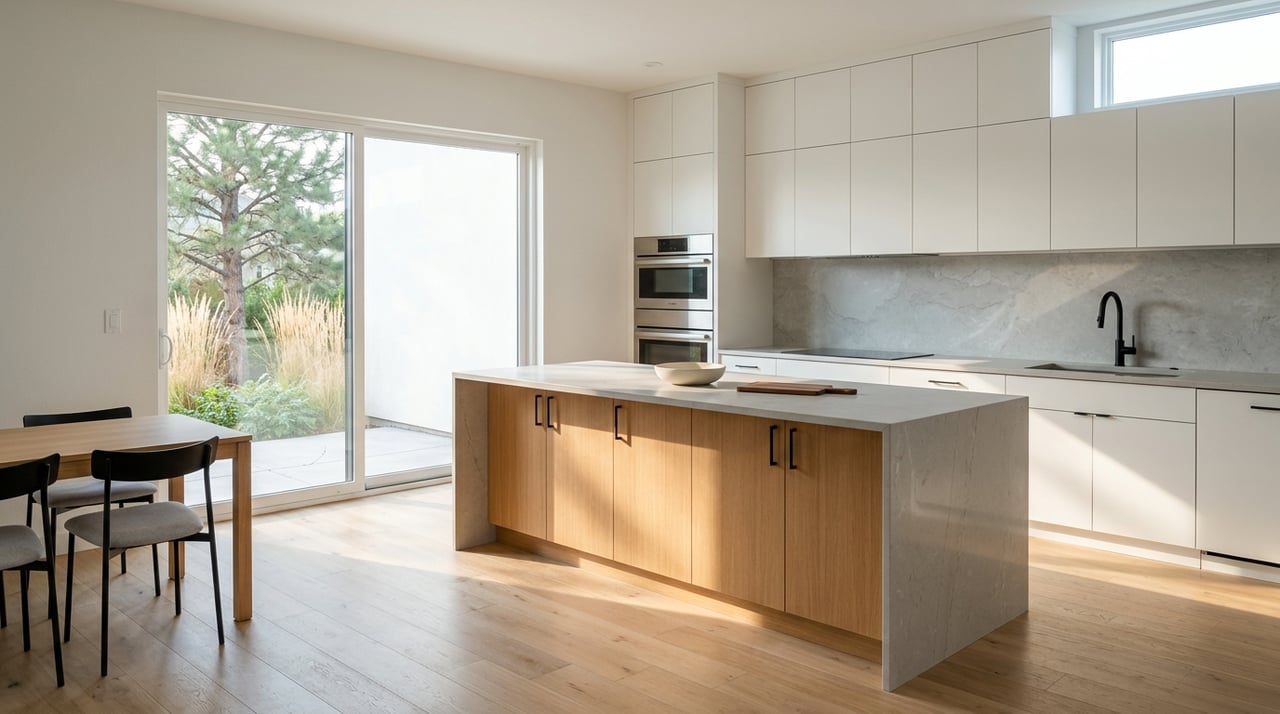
One of the biggest differences between a classic Park Hill home and a newer build is layout. Based on the historic floor plans and room arrangements common to bungalows and Denver Squares, many of these homes have more segmented rooms rather than one large open living area.
That can be a positive if you like separation between living, dining, and private spaces. It can also be a consideration if your wish list includes a fully open kitchen and great room feel. In some homes, a past remodel may have opened walls or reworked the flow, but that varies widely by property.
This is where in-person touring matters. A home can have beautiful original character, but the right fit depends on how you want to live day to day.
Inspection Priorities for Older Park Hill Homes
When you buy a classic home, the biggest questions are often not cosmetic. A fresh paint color or updated fixtures are easy to spot, but the more important issues often involve structure, moisture, and older systems.
The Consumer Financial Protection Bureau recommends scheduling an independent home inspection as soon as possible. According to the Bureau of Labor Statistics, home inspectors typically examine the roof, foundation, interior and exterior walls, plumbing, electrical, and HVACR systems.
In a neighborhood with mostly pre-1954 housing stock, that kind of inspection becomes especially important. A charming porch and original brick exterior may be part of the appeal, but you still want clarity on how the home is functioning behind the scenes.
Key Items to Watch Closely
- Roof: Older homes may have a long maintenance history, so roof condition and remaining life matter.
- Foundation and walls: You want a clear picture of structural condition and any signs of movement or cracking.
- Moisture: Water management is a major issue to evaluate in any older home.
- Plumbing, electrical, and HVAC: These systems may have been updated, partially updated, or left largely original depending on the property.
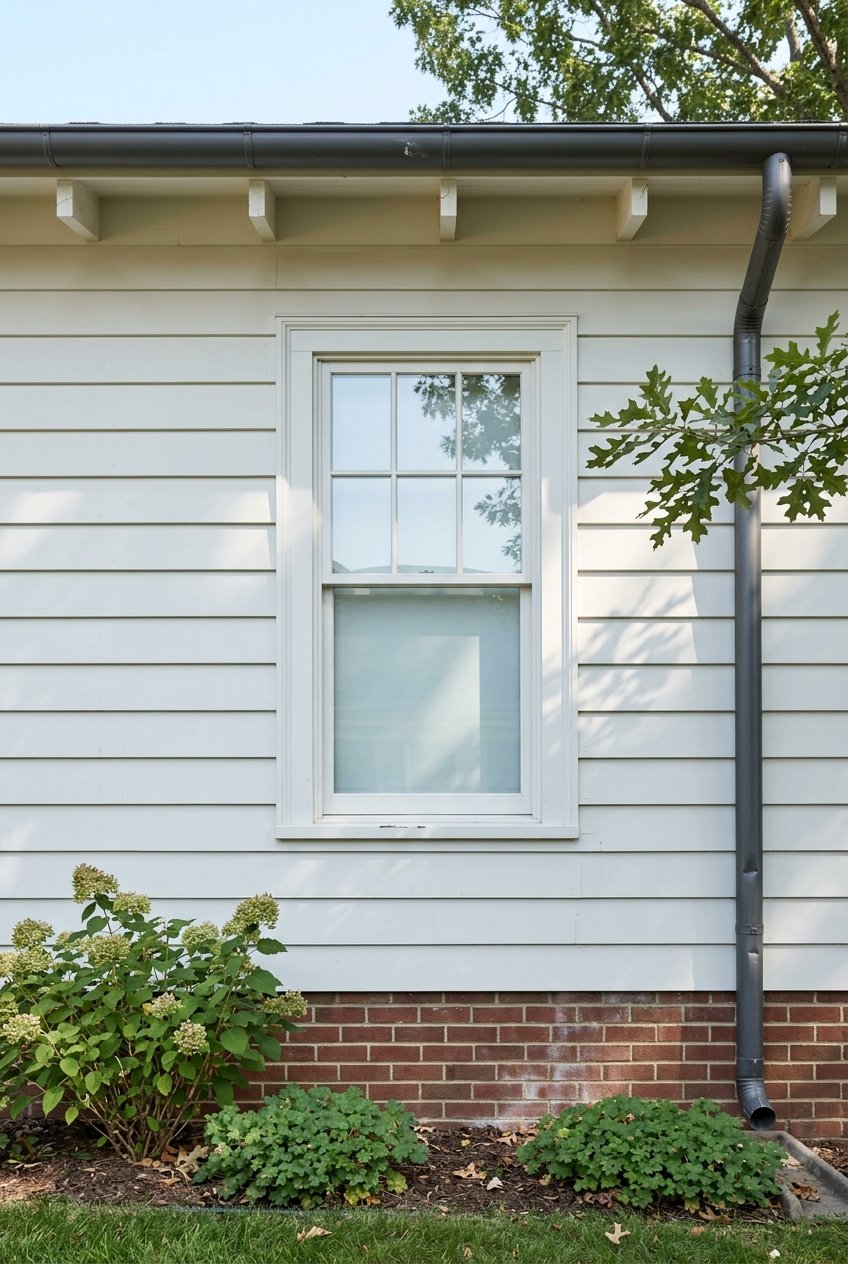
- Windows and exterior elements: Condition, efficiency, and repair history can affect both comfort and future costs.
Health and Safety Testing to Consider
Older homes can come with extra testing needs, especially if you plan to renovate after closing.
Lead-Based Paint
Homes built before 1978 are more likely to have lead-based paint. The EPA notes that sanding, cutting, or replacing windows can create hazardous lead dust.
If your project will disturb painted surfaces, it is wise to use a lead-safe certified contractor or follow lead-safe DIY practices. This is especially relevant in older housing where original trim, windows, and painted surfaces may still be present.
Asbestos
The EPA says you generally cannot tell by looking whether a material contains asbestos. If a material is damaged or will be disturbed during remodeling, a trained and accredited asbestos professional should evaluate it.
If the material is in good condition and will not be disturbed, the safest approach is often to leave it alone. This matters for buyers planning updates right away, since renovation choices can affect both budget and timeline.
Radon in Colorado
Radon deserves serious attention in Denver-area home buying. The Colorado Department of Public Health and Environment says radon is elevated in one out of every two Colorado homes and recommends testing in the lowest living area.
If test results are at or above 4 pCi/L, mitigation is recommended. Colorado also requires radon measurement and mitigation services to be performed by a licensed professional.
Renovations, Permits, and Exterior Changes
If you buy a classic Park Hill home, it is smart to think beyond the purchase and into future projects. Exterior work may not always move on a simple permit timeline.
Denver Landmark Preservation staff reviews exterior changes that require a building or zoning permit for individual landmarks and properties in historic districts. Roofing or siding work on those properties must be approved first.
Because this review is parcel-specific, you should verify whether a property has landmark or historic-district status before assuming an exterior project can move forward as planned. That step can help you avoid surprises if you are budgeting for changes soon after closing.
Budgeting for Long-Term Ownership
Owning a classic home usually means thinking in phases, not in one-and-done terms. With Park Hill’s mostly pre-1954 housing stock and its common brick-and-porch-heavy construction, long-term ownership often includes periodic roof, window, moisture, and systems updates.
That does not make these homes a poor choice. In fact, many buyers see durable construction and architectural character as a major reason to buy in Park Hill.
The key is realistic planning. The strongest purchase is usually the one backed by a thorough inspection, a clear understanding of permit history, and a practical maintenance budget.
How to Buy Smart in Park Hill
If Park Hill is on your list, a good strategy is to balance emotion with process. It is easy to fall for original details, mature streetscapes, and timeless curb appeal, but the smartest buyers also stay disciplined on condition and future costs.
A strong approach often looks like this:
- Tour enough homes to understand how layouts vary by style
- Review each property’s update history carefully
- Schedule an independent inspection quickly
- Ask direct questions about roof, systems, windows, and moisture
- Test for radon in the lowest living area
- Verify permit history and parcel-specific historic or landmark status when relevant
- Build a maintenance budget that reflects the age of the home
With the right guidance, buying a classic Park Hill home can be both exciting and practical. You can enjoy the character that makes the neighborhood special while making a decision grounded in facts, not guesswork.
If you want help evaluating classic homes in Park Hill with a local, hands-on approach, Michael Todd can help you compare options, spot red flags, and move forward with confidence.
FAQs
What types of classic homes are common in Park Hill, Denver?
- Park Hill is known for brick homes in styles that include bungalows, Denver Squares, Tudor Revival, Colonial Revival, Dutch Colonial Revival, Mission and Spanish Colonial Revival, Italian Renaissance, Edwardian, and postwar minimal traditional homes.
What is a Denver Square in Park Hill?
- A Denver Square is the local name for the American Foursquare, typically a square two-story home with a hipped roof, wide porch, large windows, and a simple four-room-per-floor layout.
Are Park Hill bungalows different from newer homes?
- Yes. Many Park Hill bungalows have more segmented room layouts, full-width front porches, brick construction, and traditional floor plans that differ from the open layouts common in newer homes.
What should you inspect when buying an older Park Hill home?
- Focus on the roof, foundation, walls, moisture issues, plumbing, electrical, HVAC, and window condition, since older homes often need closer review of structure and systems.
Should you test for radon in a Park Hill home?
- Yes. CDPHE says radon is elevated in one out of every two Colorado homes and recommends testing in the lowest living area.
Do exterior renovations on Park Hill homes require extra review?
- They can. If a property is an individual landmark or located in a historic district, Denver Landmark Preservation reviews certain exterior changes that require building or zoning permits, including some roofing or siding work.